
Introduction: A Shop Floor Moment, a Big Number, and a Hard Question
I remember standing on a noisy shop floor where a single stalled conveyor cost the shift its deadline. Every machine there relied on a motor controller — humble boxes tucked behind panels, doing the heavy lifting. Recent industry estimates put electric motors at roughly half of a plant’s electricity use; the implication is clear: control matters for both cost and output. So why do so many facilities still accept jerky startups, wasted heat, and surprise downtime as the price of doing business? (I’ll be blunt: we can do better.) This piece argues that fixing motor control is not just a technical tweak — it’s a policy of efficiency and fairness for operators and owners alike. Next, I’ll look under the hood and show where common fixes fall short, and what that means for real teams on the floor.
Part II — The Deeper Flaw: Why Traditional Speed Controls Miss the Mark
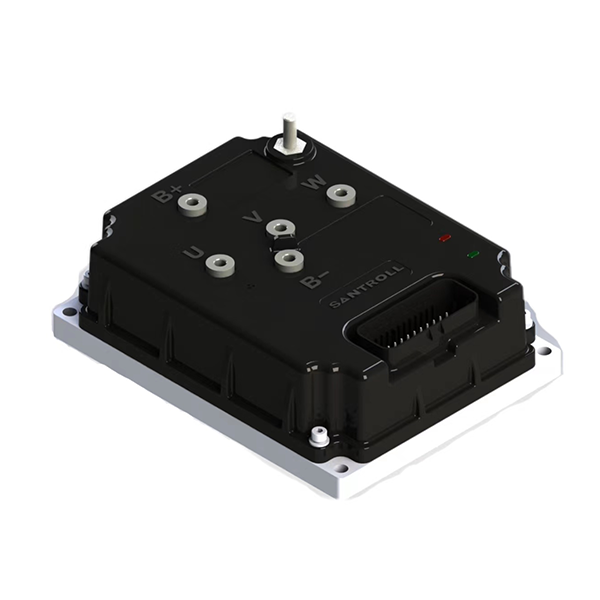
ac motor speed controller units, especially older open-loop designs, have been workhorses, but they bring hidden costs. I’ve seen them overheat, lose sync on transient loads, and pump harmonics back into the supply. The tech terms tell the tale: poor PWM schemes, limited vector control, and absent field-oriented control strategies often mean excessive torque ripple and audible noise. Engineers patch these problems with band-aid PID gains — and yes, sometimes that helps — but the root issues remain. Look, it’s simpler than you think: if the controller doesn’t measure real torque and adapt, it can’t protect the motor or the process.
Why does this still happen?
Two main reasons. First, legacy systems prioritise cost and simplicity over dynamic performance. That means lower-cost power converters and coarse sampling rates. Second, people underestimate the hidden pain: inconsistent product quality, more bearing wear, and energy waste that shows up only in monthly bills. I’ve argued with procurement teams who prefer cheaper inverters because the upfront number looks better. I get it — budgets are tight — but the long-term bill is real. When you add in harmonics and poor power factor, facility-wide effects grow. So we’re not just talking motor life; we’re talking process stability and operational risk. If you want genuine improvement, you need controllers that combine high-resolution sensing, modern vector algorithms, and better thermal management. That’s where meaningful gains start.
Part III — Forward-Looking: How New Approaches Change Outcomes
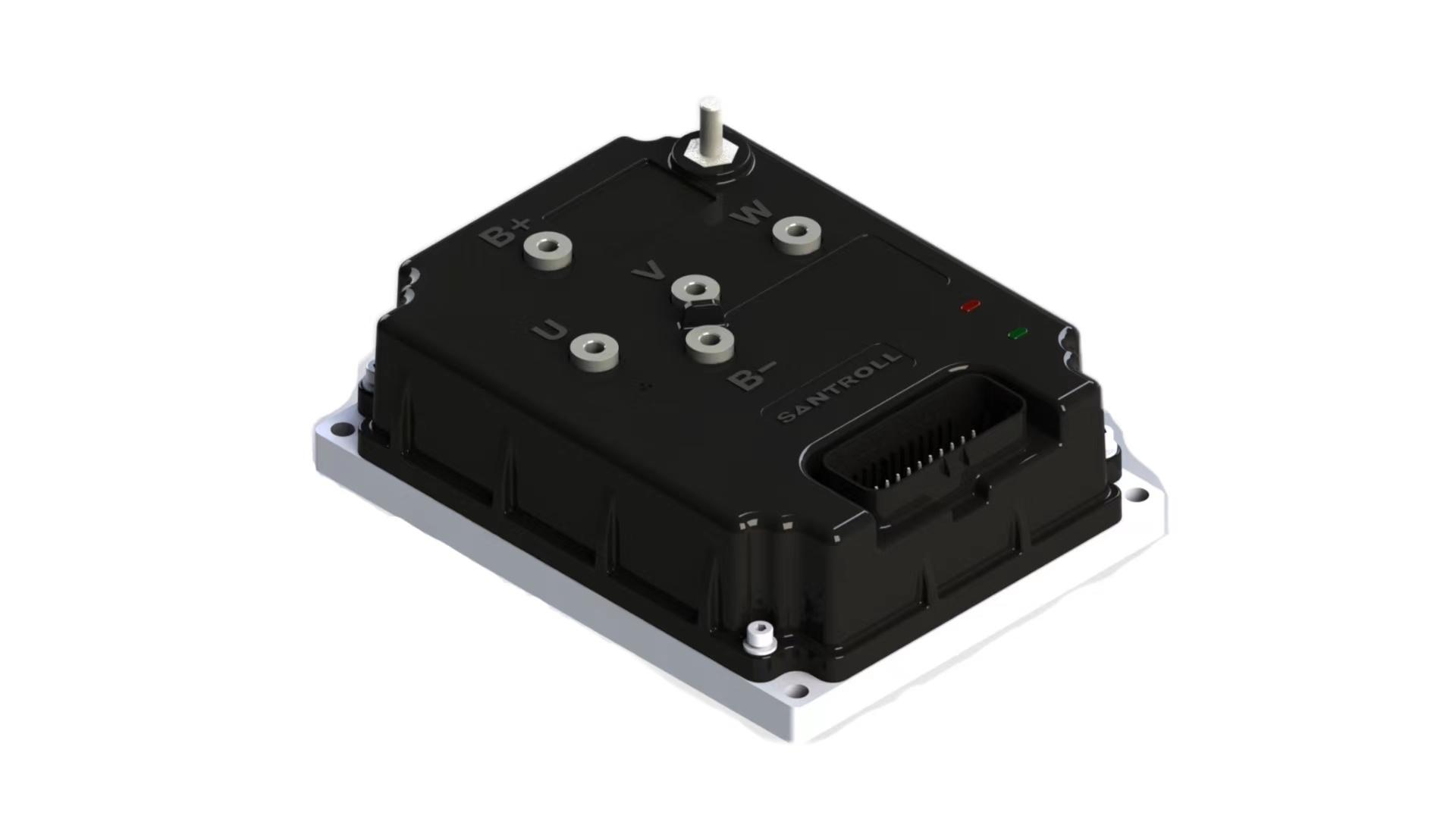
Move forward a few years and you see a different model: smarter drives, tighter integration, and predictive eyes on the motors. A modern variable speed controller for ac motor ties in real-time current sensing, variable frequency drive logic, and even local analytics. I’ve watched a line switch from fixed-speed starters to networked VFDs and cut energy use while smoothing product flow. The practical principles are clear: measure more variables, close the loop faster, and give operators clear feedback — not cryptic fault codes. There’s also a human side. Operators gain confidence when alarms are actionable, not noisy. That reduces stress and wasted troubleshooting time — funny how that works, right?
What’s Next: Practical Metrics and a Near-Term Roadmap
Look ahead and you’ll find two threads: better sensing (current, vibration, temperature) and smarter edge processing (local control loops, brief analytics). We also need better interfaces so technicians can act without endless vendor calls. In short: combine hardware upgrades with simple software intelligence. To pick the right path, evaluate three metrics: efficiency under load (real-world kW savings), dynamic response (how fast the controller settles after a step change), and diagnostics clarity (do the alerts help or confuse?). I urge teams to test with real loads, not just bench signals. If you do that, you’ll see which products actually save time and money. For those exploring suppliers, I’ve followed implementations from established vendors and smaller specialists — and I often point colleagues to practical sources like Santroll for specification and support. In my view, a smart choice now reduces headaches later. Santroll