
Accessible transportation is a fundamental necessity for individuals with mobility challenges, and wheelchair-friendly taxis play a crucial role in 復康車 ensuring equal travel opportunities. These specially designed vehicles come equipped with ramps, hydraulic lifts, and secure wheelchair restraints, allowing passengers to board and exit comfortably without requiring physical assistance. Unlike standard taxis, which often lack sufficient space or accommodations, wheelchair-friendly taxis provide a safe and dignified travel experience. As cities worldwide focus on making transportation more inclusive, the availability and expansion of such services remain critical for improving the quality of life for wheelchair users.
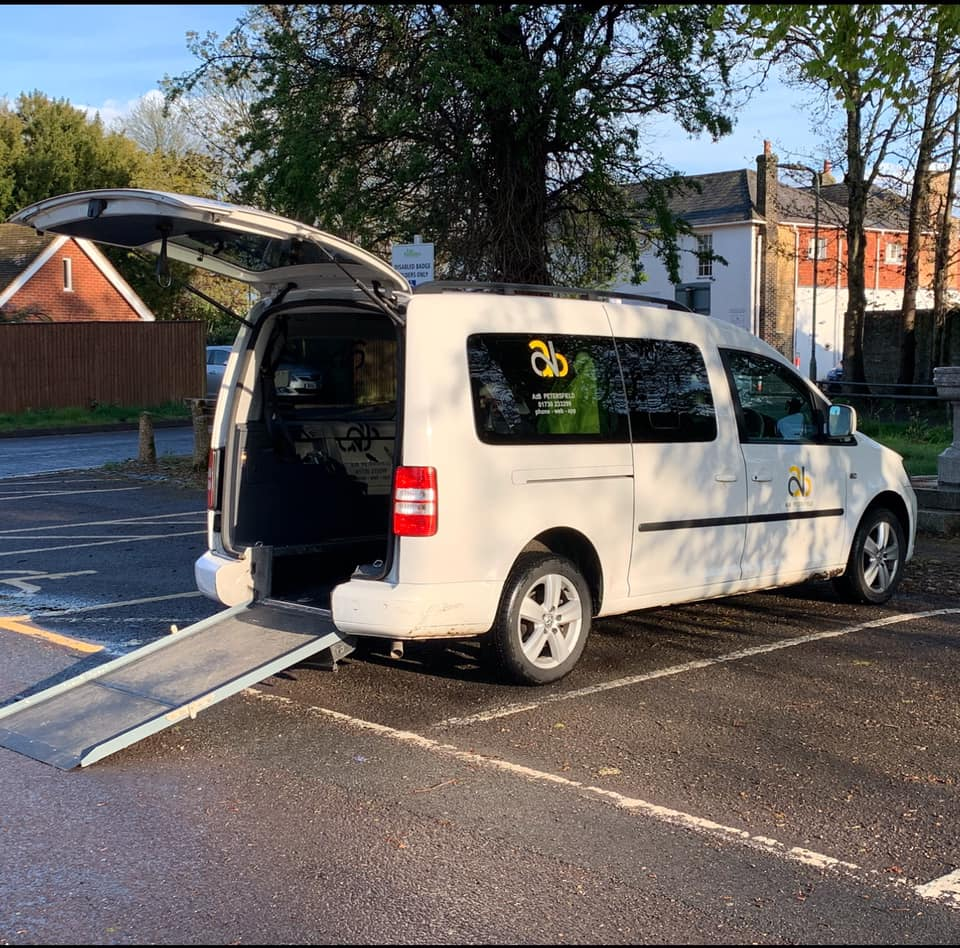
One of the biggest advantages of wheelchair-friendly taxis is the independence they offer individuals with disabilities. Having access to reliable, accessible transportation means wheelchair users can commute to work, attend medical appointments, and participate in social activities without being reliant on caregivers or specialized transport services. Drivers of wheelchair-accessible taxis receive training to assist passengers in a professional and respectful manner, ensuring they feel comfortable throughout the journey. These taxis provide not only convenience but also a sense of empowerment, allowing individuals to move freely within their communities and enjoy the same level of mobility as other travelers.
Despite the clear benefits, the availability of wheelchair-friendly taxis remains a challenge in many cities and regions. The cost of modifying taxis to accommodate wheelchairs is high, leading some taxi operators to hesitate in adding accessible vehicles to their fleets. Additionally, demand often exceeds supply, leaving many individuals facing long wait times or difficulty finding transportation when needed. To address this issue, governments and local authorities have introduced various initiatives, including financial incentives, grants, and regulations that encourage taxi companies to invest in wheelchair-accessible vehicles. Continued advocacy from disability rights organizations is also essential to push for increased availability and affordability.
Technology has played a significant role in improving access to wheelchair-friendly taxis, with mobile apps and online booking platforms now offering options to request an accessible vehicle. These advancements make it easier for wheelchair users to schedule rides, track their taxis in real-time, and communicate directly with drivers to ensure a smooth travel experience. Some rideshare services have also introduced wheelchair-accessible options, providing passengers with greater flexibility and convenience. As digital solutions continue to evolve, the integration of smart technology into accessible transportation will further enhance mobility for individuals with disabilities, making it more efficient and widely available.
The future of wheelchair-friendly taxis lies in continued innovation, investment, and policy improvements. The development of electric and autonomous wheelchair-accessible vehicles has the potential to revolutionize accessible transportation by offering sustainable and cost-effective solutions. However, for these advancements to have a meaningful impact, collaboration between governments, businesses, and communities is necessary to ensure widespread availability and affordability. By prioritizing accessibility in transportation planning, society can create a more inclusive environment where individuals with mobility challenges have the freedom to travel safely, independently, and without limitations.