
To clean and maintain a Volkswagen car key cover, safely remove the outer cover from your key fob, wipe away loose dust with a microfiber cloth, and wash silicone or TPU covers in mild soapy water. For leather or Alcantara covers, clean using a damp cloth or specialized leather cleaner. Dry all materials completely before sliding the cover back onto your key fob to prevent moisture damage to the internal transponder circuit board.
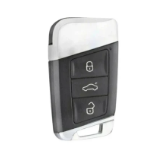
Why Maintaining Your VW Key Fob Protection Matters
A Volkswagen key fob houses sensitive electronic components, including keyless entry transmitters, immobilizer chips, and internal battery contact points. Over time, pocket lint, skin oils, coffee spills, and general dirt collect inside and around your protective cover.
Neglecting routine maintenance causes several operational and cosmetic issues:
- Sticky key buttons: Accumulated oil and grime cause tactile buttons to catch or jam.
- Signal interference: Heavy grime or moisture trapped in tight seams dampens RF signals to your vehicle.
- Material degradation: Synthetic oils weaken cheap silicone, while dirt dries out premium leather finishes.
- Hardware failure: Trapped moisture seeping past the cover into the key housing leads to short circuits and costly dealership replacement fees.
Step-by-Step Cleaning Guide by Key Cover Material
Different key cover materials require unique maintenance routines to avoid discoloration, stretching, or structural warping.
1. TPU and Silicone Covers
Thermoplastic Polyurethane (TPU) and flexible silicone covers are durable and water-resistant, making them the easiest to sanitize.
- Remove the key fob: Always extract your electronic VW key before applying liquids.
- Soak in warm soap solution: Submerge the cover in lukewarm water mixed with 2–3 drops of mild dish soap.
- Scrub crevices: Use a soft-bristled toothbrush to scrub around button indents and corner seams.
- Rinse and air-dry: Wash away soap residue with running water. Wipe with a lint-free towel and allow it to air-dry for 30 minutes.
2. Leather and Suede Covers
Genuine leather and suede key covers demand gentler care to prevent cracking or water spotting.
- Wipe down surface: Use a barely damp microfiber cloth to pick up surface dirt.
- Apply leather cleaner: Dab a drop of pH-balanced leather cleaner onto a cloth and gently rub in circular motions. Never submerge leather covers in water.
- Condition the material: Apply a tiny amount of leather conditioner every 3 to 6 months to maintain supple texture and resist moisture.
3. Hard ABS Plastic, Carbon Fiber, and Metal Alloys
Hard-shell covers protect against drops but tend to collect micro-scratches and fingerprint oils.
- Spot clean: Wipe down outer hard surfaces using a 70% isopropyl alcohol wipe or dedicated electronics cleaner.
- Clean interior lining: Brush away debris trapped inside the inner lining with a soft brush.
- Polish metal accents: Buff chrome or zinc-alloy edging with a dry microfiber cloth to restore metallic shine.
Material Maintenance Quick-Reference Matrix
| Material Type | Safe Cleaning Agents | Cleaning Frequency | Items to Avoid |
| Silicone / TPU | Mild dish soap, warm water | Every 2–4 weeks | Acetone, abrasive scouring pads |
| Genuine Leather | pH-balanced leather cleaner | Every 1–2 months | Excess water, alcohol wipes, bleach |
| Carbon Fiber / ABS | Isopropyl alcohol (70%), glass cleaner | Every 2 weeks | Acetone, harsh chemical solvents |
| Zinc Alloy / Metal | Microfiber polish cloth, mild soap | Monthly | Steel wool, strong acidic cleaners |
Preventative Care Rules for Volkswagen Key Covers
- Keep away from high heat: Leaving a TPU or leather cover on your dashboard under direct sunlight distorts the shape and warps fitment.
- Avoid pocket contamination: Storing keys in pockets alongside loose coins, gravel, or sharp metal items chips outer protective coatings.
- Check weather seals regularly: Ensure your outer cover maintains a tight seal so dust cannot settle between the cover and key buttons.
- Store in a dry location: Keep spare keys inside a cool, dry valet tray or protective pouch to prevent ambient humidity buildup.
Related Question & Answer
Can I wash my key cover with the Volkswagen key inside?
No. Always remove the electronic key fob before washing or using liquid cleaners on your Volkswagen car key cover. Liquids entering the key fob risk short-circuiting the transponder chip and battery contacts.
How do I get bad smells out of a silicone key cover?
Soak the detached silicone cover in warm water mixed with baking soda or mild dish soap for 20 minutes. Rinse thoroughly and let it dry in a well-ventilated room.
Why is my TPU key cover turning yellow?
Clear or white TPU covers turn yellow over time due to UV light exposure and chemical reactions with natural hand oils. Cleaning with mild soap reduces buildup, but severe UV degradation requires cover replacement.
Can alcohol wipes damage a leather key cover?
Yes. Rubbing alcohol strips essential moisture and natural oils from genuine leather, leading to discoloration, stiffness, and surface cracking. Use dedicated leather-safe wipes instead.
How often should I clean my car key cover?
A light surface wipe-down should be performed every two weeks, while a thorough deep-clean (removing the key fob) is recommended once a month.
What is the best way to clean Volkswagen chrome key buttons?
Clean chrome key accents using a dry microfiber cloth or a cotton swab lightly dampened with isopropyl alcohol. Avoid abrasive pads that scratch decorative plating.
Frequently Asked Questions (FAQs)
What should I do if water gets inside my VW key fob while cleaning?
Immediately separate the key fob housing, remove the CR2032 battery, and wipe all internal components with a dry, lint-free cloth. Place the key components in an airtight container with silica gel packets for 24 hours to draw out trapped moisture before reassembling.
Will a thick key cover reduce my VW keyless entry range?
Most silicone, TPU, and leather covers do not affect signal range. However, heavy metallic or full-aluminum alloy cases can slightly damp RF signal transmission to keyless entry receivers (KESSY).
How do I remove stubborn sticky residue from my key cover?
Apply a small drop of mineral oil or specialized adhesive remover to a cloth and gently rub the sticky spot on plastic or silicone covers. Avoid using acetone, as it melts synthetic plastics.
How do I stop my leather key cover from scratching?
Apply a thin layer of cream leather conditioner or beeswax polish. This creates a protective barrier against fingernails and everyday surface scuffs.
Does cleaning a VW key cover void any key warranties?
Cleaning an external cover does not affect vehicle or key warranties. However, opening or damaging internal electronic circuits with liquids or sharp tools can invalidate key replacement coverage.
Final Thoughts on VW Key Cover Care
Maintaining a clean Volkswagen car key cover protects both your key fob’s internal electronics and its exterior design. Spending five minutes a month wiping down surfaces and washing off accumulated oils keeps key buttons responsive and extends the operational life of your entire Volkswagen key assembly.