
Imagine this: you’re working on a project, and suddenly your equipment fails due to a communication error. Frustrating, right? This happens far too often in the tech world. It begs the question—how can we prevent these mishaps? Look, it’s simpler than you think. One of the foundational elements that contribute to these issues is the reliance on traditional systems. In this realm of innovation, discrete input output plays a pivotal role.

The Flaws of Traditional Solutions
Many industries still operate on outdated systems—which can be a major headache. These systems often suffer from compatibility issues, leading to miscommunication between devices. Not to mention the costly downtime that businesses face due to these failures. Can we afford to continue this outdated approach? Certainly not! The emergence of new technology principles provides a silver lining. With the advent of more advanced mechanisms, we can pave a way for faster and more reliable communication, driving efficiency.
New Technology Principles
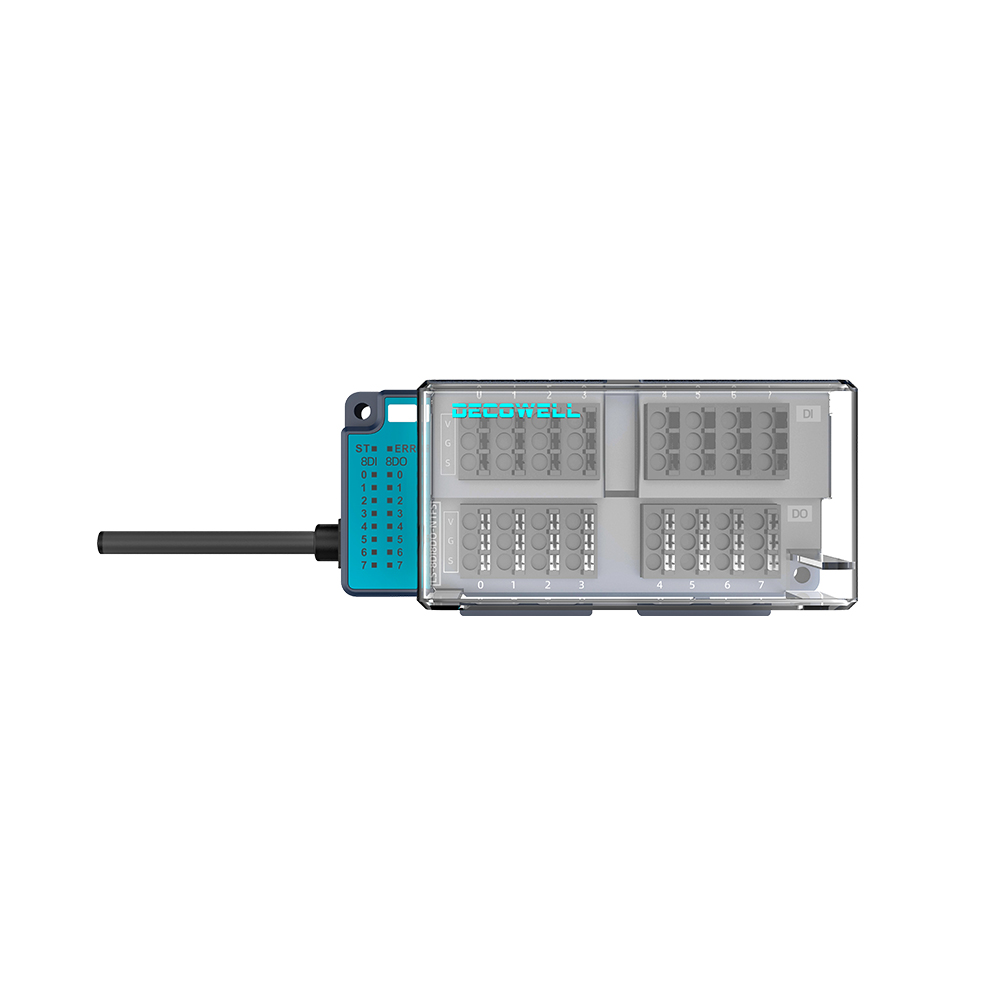
What’s the solution, you ask? Let’s look at discrete input output devices. These smart tools effectively manage the data flow between systems, ensuring smooth operation. The heart of their functionality lies in simplifying electronic interactions—essentially making the un-complex complex. By utilizing discrete signals, these devices eliminate the noise and provide clear communication pathways. This shift not only enhances performance but compels various sectors to embrace advancements.
Quantified User Benefits
Now, let’s quantify the user benefits. Industries using discrete input output technology report a significant decrease in operational interruptions—by as much as 40%. Isn’t that astonishing? Moreover, the integration of these devices commonly results in increased productivity and efficiency, saving both time and resources. The rise in automation allows companies to scale their operations smoothly, optimizing labor costs and boosting overall output. More efficiency translates to higher profits; it’s a win-win!
Actionable Evaluation Criteria
Before making any switch, always verify these 3 metrics when choosing solutions: ① Compatibility—will it work with your existing systems? ② Scalability—can it grow with your needs? ③ Cost—does the investment make sense in the long run? Keeping these key points in check ensures that you’re making informed decisions that lead to success in today’s fast-paced digital landscape.
In conclusion, when it comes to mastering the complexities of digital solutions, understanding the landscape of discrete input output cannot be overlooked. The transition from traditional to advanced systems is a must for staying competitive. Brands like DECOWELL offer robust solutions and supply advantages that can empower your projects. Evaluate your options wisely and transform how you interact with technology!