
Introduction
You can stop losing hours to clunky lifts and guessing games. A lifting robot can be the quiet helper that takes strain off your team and brings order to busy shifts. In many sites, up to a fifth of handling time vanishes in queues, callbacks, or rework—small pauses that add up. A modern robot lift system attacks those pauses with sensors, simple logic, and steady motion. Picture a dock at 7 a.m., pallets stacked high, and operators juggling tasks. Data shows that cross-aisle travel and waiting for a free lift can drag cycle time by 12–25%. But what if the lift coordinated itself, kept a safe torque curve, and checked its load cells before it moved? Would your team get back minutes per job (and keep shoulders happier)? Let’s keep it practical, like setting out school bags the night before—because small prep pays off. Here’s how the right setup shifts the day, one smooth lift at a time—now, let’s dig into the real gap.

The Real Gap: Hidden Pain Points That Sap Throughput
Why do small delays snowball?
Look, it’s simpler than you think. Many teams still rely on manual calls, old PLC timers, and lift tables that don’t speak to upstream tasks. The result is drift: a few seconds lost at each handoff, then a safety stop, then a return trip. Multiply that by 200 moves, and the shift runs long—funny how that works, right? A robot lift system tackles this by reading load cells, checking an HMI cue, and aligning via basic kinematics, all before the pallet leaves the floor. Traditional solutions hide pain in three spots: uncertainty about weight, inconsistent approach angles, and no feedback when a lane is blocked. With edge computing nodes and a safety PLC, the robot uses short loops to decide fast. It keeps the lift centered and the fork pitch steady, instead of guessing with “raise a bit, check again” habits.
Another quiet leak is energy. Old lift carts surge current, then stall, then surge again. Power converters and a tuned servo drive cut that waste. Predictable motion also means fewer stops, which means less strain on brakes and bearings. Add one more detail: better alerts. If the lane is full, the robot reroutes. No chatter on the radio. No “who has the key?” delay. The team hears a simple chime and sees a small tile on the HMI. Fewer interrupts, fewer do-overs. Your crew keeps eyes on safer work and gets home on time.
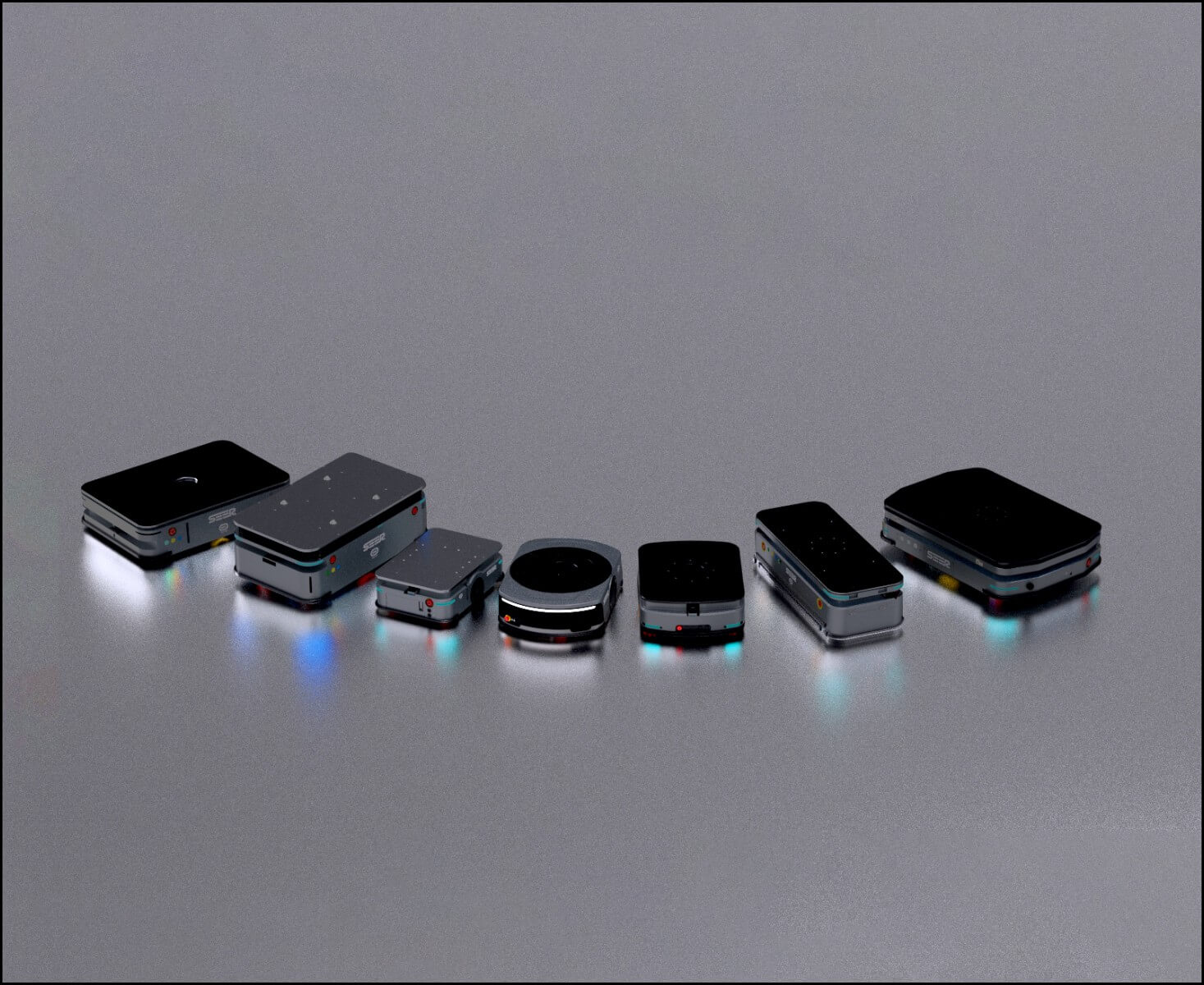
What’s Next: Principles That Change How We Lift
Real-world Impact
Shifting to a next-gen setup is not magic. It is mechanics plus good signals. The newer approach runs a short PID control loop on lift height and uses inertial sensors to damp sway. It watches the torque curve in real time, so it won’t yank a light load or crawl with a heavy one. Motion plans adjust on the fly. When paired with AMR navigation, the robot can use SLAM to meet the pallet where it sits—no perfect staging needed. And yes, that reduces “two trips for one case” moments. In practice, the robot lift system becomes a rhythm keeper. It slots into the aisle when space opens, lifts within safe bands, and hands off without chatter. Compare that to a legacy hoist: fixed speeds, no insight into mass, and hand signals to coordinate with a driver.
Here is the forward-looking part—because planning beats reacting. Expect broader use of onboard vision to verify fork entry and check pallet health. Expect lighter frames balanced by smarter firmware, not brute-force steel. Expect energy recapture on downstrokes, so your battery KPIs improve across the week. In pilots, teams report steadier takt time and fewer micro-stops. The surprise is not peak speed; it’s how fewer hesitations add flow. One less pause at each phase turns into a shorter day—and calmer work, which matters.
How to Choose: Three Metrics That Keep You Honest
Advisory close, so you can act today. First, measure end-to-end time per move, not just lift speed. Include approach, engage, raise, travel, set down, and clear. If the solution trims micro-pauses between these steps, you will feel it. Second, track energy per 100 lifts. Servo drive tuning and power converters should cut spikes; the best systems keep a clean profile during both up and down strokes. Third, audit error recovery: misalign detect time, safe stop distance, and resume time. If a lane blocks, how fast does the robot re-plan (and how often does a human need to step in—one in 50, or one in 10)?
Wrap it with a simple check: does the vendor let you see the data on a clean dashboard, or do you need to chase logs? Your team needs plain views, steady results, and fewer surprises. When those three metrics move the right way, people notice it at break time. And yes, the mood shifts—smoother workdays do that. For a deeper dive into the tech behind these choices and practical rollouts, you can explore solutions from SEER Robotics.