
A New Era in GNSS Technology
Picture this: you’re out in a sprawling field in the heart of New York’s agricultural tech scene, trying to get that perfect GPS signal for your fieldwork. You rely on a GNSS reference station—without it, everything goes haywire. Imagine how frustrating it is when precision matters, but your old RTK base station is lagging behind the latest tech. The data you’re missing can be the difference between a successful harvest and a muddy mess. So, what happens if you don’t level up your RTK base station? Let’s dive in.
The Problems with Traditional Solutions
So, here’s the deal: many are still rockin’ outdated RTK base stations that just can’t keep up with the speed of today’s requirements. These old-school systems tend to throw up interference that can distort your data, which is a drag for anyone who needs pinpoint accuracy. I remember back in 2018—while working on a massive farming project in Upstate New York—when our team encountered transmission delays because we were relying on a first-gen setup. Talk about a headache! And don’t even get me started on the hidden costs: repair bills for fixing those inaccuracies can pile up faster than you realize.
What’s the Real Cost?
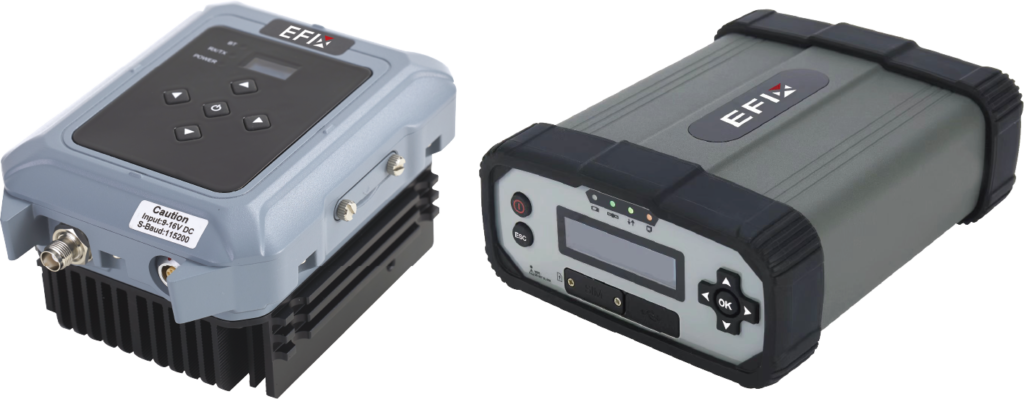
Well, it’s not just about having the latest gizmo; it’s about the long-term savings. With systems like the GNSS reference station, you’re investing in reliability and cutting-edge technology. You may think your old gear gets the job done—but really, it’s costing you efficiency. You want to be throwing money at planning for growth, not fixing outdated tech issues. Nothing worse than micromanaging errors that could have been avoided!
The Road Ahead: Why You Should Consider Upgrading
Moving forward, the demand for precision guidance in agriculture is only going to ramp up. You’ve got crop monitoring satellites talking to drones, which are all coordinating with updated RTK systems. If you stick with that clunky, slow RTK base station, you’re practically handing over your competitive edge. Think about it: the modern GNSS reference station can deliver real-time data that’s not just quicker but also more accurate. Can you really afford to take the risk of falling behind?
Real-world Impact: A Game Changer
It’s wild how much of a difference it makes. I’ve seen firsthand how farmers who switched to upgraded systems reported production increases by as much as 25%. Imagine steering your operations to better results based on clear, accurate data, with less fuss! It’s a shift that won’t just satisfy your immediate operations but will prepare you for a future where every layer of data counts, from planting to harvest.

Wrapping It Up: The Takeaway
In this ever-evolving landscape of precision agriculture, the choice to upgrade isn’t just about new toys—it’s about making smart, measurable decisions. Seriously, when you’re weighing options, look for three key evaluation metrics: data accuracy, system reliability, and long-term cost savings. Those are the game changers. I constantly emphasize those even in casual chats with fellow farmers. When you have that foundation, the rest is just icing on the cake.
Remember, while it’s tempting to stick with what you know, sometimes you’ve got to leap into the future. Make sure you’re equipped with the best tools to keep your operations not just afloat, but flourishing. For me, it’s clear: investing in tech like the GNSS reference station from EFIX is one of the smartest moves you can make. Ultimately, your don’t want to be that one guy holding onto yesterday’s tech when the rest of the world is gearing up for tomorrow.