
Navigating today’s competitive food service landscape requires commercial dining establishments to establish distinct sensory profiles that captivate discerning patrons. Distinctive condiments serve as pivotal flavor anchors, transforming basic culinary ingredients into signature dishes that build customer loyalty.
Modern commercial kitchens increasingly seek tailored seasoning formulations to maintain flavor consistency across multi-unit operations while optimizing kitchen labor costs. Food supply partners like JOLION Foods enable restaurants to realize these strategic flavor profiles by offering scalable commercial processing tailored to specific culinary visions.
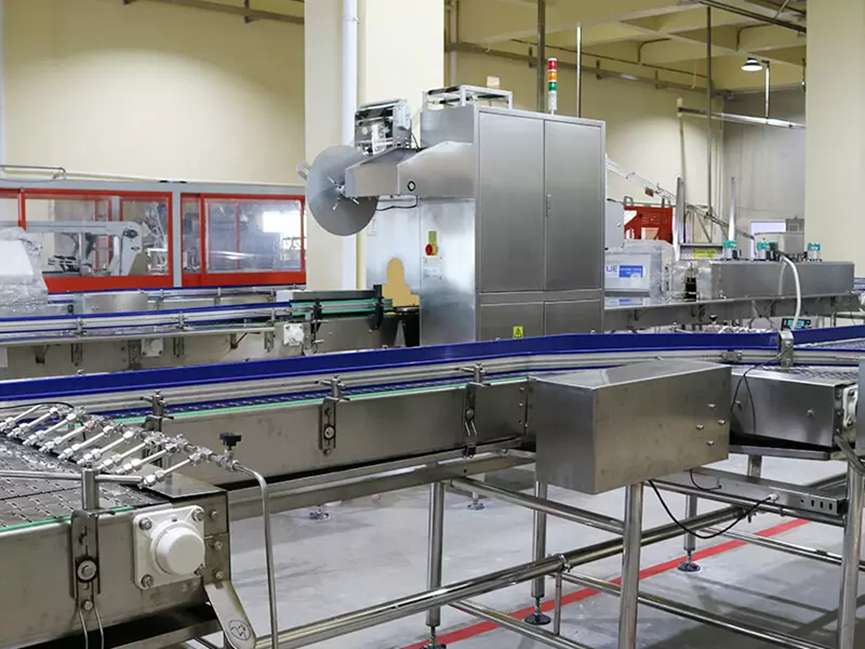
Flavor Chemistry and Emulsification Mechanics in Sauce Development
Achieving harmonious flavor balancing involves precise calibration between basic taste modalities: sweetness, sourness, saltiness, bitterness, and umami. Water-in-oil and oil-in-water emulsions require specialized hydrocolloids or natural egg lipids to prevent phase separation during heat exposure or extended cold storage. Chemical interactions between volatile aromatic compounds and cooking fats determine how long flavor notes persist on the human palate during a meal.
Texture plays an equally critical role in consumer perception, influencing how a liquid condiment coats ingredients and adheres to cooked proteins. Adjusting viscosity through starches or natural gums alters shear rate behavior during dispensing, improving visual presentation on the plate. Temperature sensitivity testing confirms that flavor emulsions remain stable under intense heat lamps or line-cook heating wells.
Working alongside specialized technical teams skilled in custom sauce manufacturing allows commercial chefs to turn initial kitchen ideas into scientifically stable formulas. Laboratory technicians analyze pH balance, water activity, and Brix levels to safeguard flavor longevity without altering authentic sensory characteristics. Thorough pilot testing verifies that large-scale industrial runs replicate original kitchen bench samples accurately.
Operational Cost Optimization Through Tailored Condiment Sourcing
In-house condiment preparation frequently incurs high labor expenses, inventory waste, and batch-to-batch flavor variance across kitchen shifts. Delegating complex sauce production to automated external facilities lowers back-of-house prep hours, freeing kitchen staff to concentrate on core culinary execution. Standardized pre-packaged units minimize raw material wastage and stabilize food cost calculations for menu planners.
Financial capital previously tied up in raw spice inventories and specialized prep machinery can be reallocated toward culinary innovation and dining room upgrades. Controlled commercial batch costs help operators maintain stable profit margins even when raw agricultural market prices fluctuate unexpectedly. Simplified prep routines reduce human error during busy service periods, maintaining consistent quality across every plate.
Adopting professional custom sauce manufacturing solutions gives restaurant groups a reliable method for standardizing operational prep across geographically distant locations. Commercial kitchens receive ready-to-use liquid condiments that require minimal preparation prior to service. Strategic cost savings provide operators with greater financial flexibility to develop exciting seasonal offerings.
Strategic Market Differentiation via Custom Flavor Solutions
Customized culinary formulations empower food service brands to establish proprietary flavor profiles that competitors cannot easily replicate in standard kitchens. Developing a unique taste signature enhances consumer brand recognition, encouraging repeat visits to regional dining establishments. Tailored seasoning profiles allow menu developers to capture trending global flavor profiles ahead of mainstream market adoption.
Culinary Formulation Workflow
Bench Concepting -> Rheology & pH Testing -> Pilot Batch Scale-Up
Collaborating with JOLION Foods gives food service operators access to specialized flavor development capabilities that transform unique concept ideas into commercial realities. Restaurants benefit from custom-developed flavor bases designed specifically for their menu items, driving guest satisfaction while supporting cost-efficient kitchen workflows. Streamlined production protocols allow dining brands to capture emerging market opportunities rapidly.
Scalable production options accommodate both boutique restaurant groups and expanding dining chains without forcing massive upfront inventory commitments. Commercial partners adjust batch sizing to match actual restaurant consumption patterns, preventing excess stock accumulation in back-room storage. Flexible supply scheduling helps culinary teams launch seasonal menu promotions with complete operational confidence.
Micro-Rheology and Sensory Profiling in Liquid Condiments
Analyzing liquid flow dynamics through rheological testing provides detailed data on yield stress, pourability, and mouthfeel characteristics. Instrumental measurement of texture attributes ensures that finished products meet precise viscosity targets across varying ambient room temperatures. Sensory panels evaluate aroma release profiles to confirm that subtle aromatic notes remain evident throughout the dining experience.
Acidity control through natural vinegar, citrus concentrates, or organic acids balances rich fat contents while acting as a natural microbial inhibitor. Monitoring water activity levels prevents unwanted yeast or bacterial growth during room-temperature storage. Controlled processing steps maintain vibrant natural colors without relying on artificial dyes or synthetic coloring agents.
Engaging an established facility specializing in custom sauce manufacturing gives commercial food creators access to advanced analytical testing equipment. Precision measuring instruments detect micro-variations in saltiness, acidity, and sweetness across batch iterations. Scientific consistency guarantees that every bottle delivers identical sensory enjoyment to end customers.
Supply Chain Resiliency and Quality Protocol Adherence
Robust international supply networks safeguard raw spice and vegetable supplies against seasonal agricultural shortages or logistics disruptions. Traceability systems track every ingredient lot from agricultural origin to final packaging, maintaining complete transparency throughout processing. Automated quality assurance monitoring detects physical anomalies before packaged items depart processing environments.
Facilities operating under international safety standards conduct systematic hazard analyses to minimize contamination risks during high-speed bottling runs. Sealed packaging prevents ambient oxygen from degrading fragile volatile oils during transit and storage. Reliable distribution scheduling maintains consistent stock levels across regional distribution centers and restaurant pantries.
Sourcing verified products through international culinary partners like JOLION Foods guarantees that commercial kitchens receive high-grade culinary bases that conform to strict food safety standards. Stringent quality compliance protects brand reputation across expanding food service networks. Dependable supply logistics keep restaurant operations running smoothly across every meal service.
Conclusion
Understanding condiment formulation mechanics, rheological stability, and supply dynamics enables food service operators to refine menu offerings effectively. Transitioning from back-of-house sauce prep to specialized commercial processing protects product consistency while lowering overall operational costs. Partnering with established international trade organizations such as JOLION Foods equips dining establishments with the unique, high-quality flavor solutions required to build strong customer loyalty and maintain market success.