
A home fire extinguisher is a key part of household safety, but having one is not enough. Many homeowners unknowingly make mistakes that reduce its effectiveness during an emergency. Understanding these errors can help you use your equipment more confidently. The LESSO company provides fire protection solutions that support safer use when paired with proper knowledge.
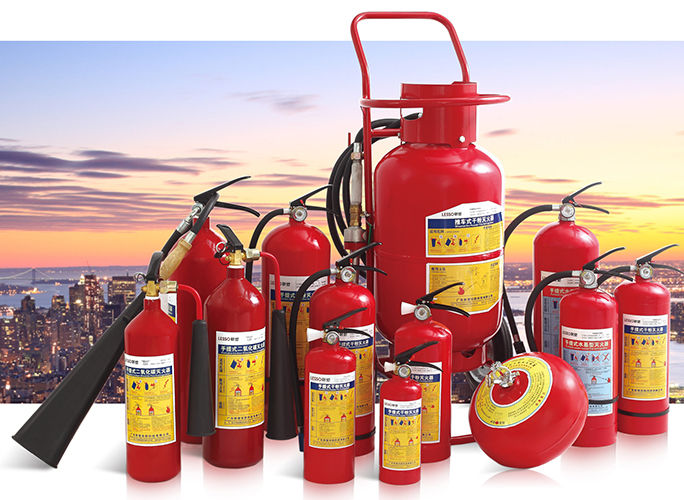
Using the Wrong Type of Extinguisher
One of the most frequent mistakes is assuming all extinguishers work the same way. In reality, each type is designed for specific fire classes. Using the wrong extinguisher can worsen the situation or even create additional hazards. For example, water-based units should not be used on grease or electrical fires, as they may spread flames or cause shock risks.
Choosing the correct home fire extinguisher for your environment is the first step toward effective fire response.
Poor Technique During Use
Even when the right extinguisher is available, incorrect technique can limit its impact. A common mistake is aiming at the flames instead of the base of the fire, which reduces effectiveness. Standing too close to the fire is another issue, as it increases danger and makes it harder to control the spread.
It is also important to keep an exit behind you while using the extinguisher so you can leave quickly if the fire grows.
Neglecting Maintenance and Expiry Dates
Many homeowners assume their extinguisher will work as long as it looks intact. However, lack of maintenance can lead to failure at a critical moment. Regular inspections are necessary to check pressure levels, seals, and overall condition.
Using an expired unit is another common oversight. Over time, internal components can degrade, making the extinguisher unreliable when needed most.
Improper Placement and Accessibility
Storing a home fire extinguisher in a hidden or hard-to-reach location can delay response time. In emergencies, every second matters. Units should be placed in visible and accessible areas, especially near exits and high-risk zones like kitchens.
Blocked or poorly positioned extinguishers can turn a manageable situation into a serious incident.
Misjudging When to Use It
Another mistake is attempting to fight fires that are already too large. Fire extinguishers are designed for small, contained fires. If smoke is filling the room or the fire is spreading quickly, evacuation is the safer option.
Understanding these limits helps prevent unnecessary risks.
Conclusion
A home fire extinguisher is only effective when used correctly. Mistakes such as choosing the wrong type, applying poor technique, ignoring maintenance, or placing it in the wrong location can reduce its value. By avoiding these common errors and selecting reliable solutions from the LESSO company, homeowners can improve safety and respond more effectively when it matters most.