
Construction has long been a cornerstone of human 混凝土鑽切 progress, evolving from simple shelters to grand, complex structures that define modern cities. The construction industry is an ever-changing field, influenced by technological advancements, environmental considerations, and societal needs. In the past few decades, construction methods and materials have seen remarkable changes, allowing for more sustainable, efficient, and innovative buildings. As cities continue to grow and populations increase, the construction industry must continue to evolve, embracing new technologies and strategies to meet the challenges of the future.
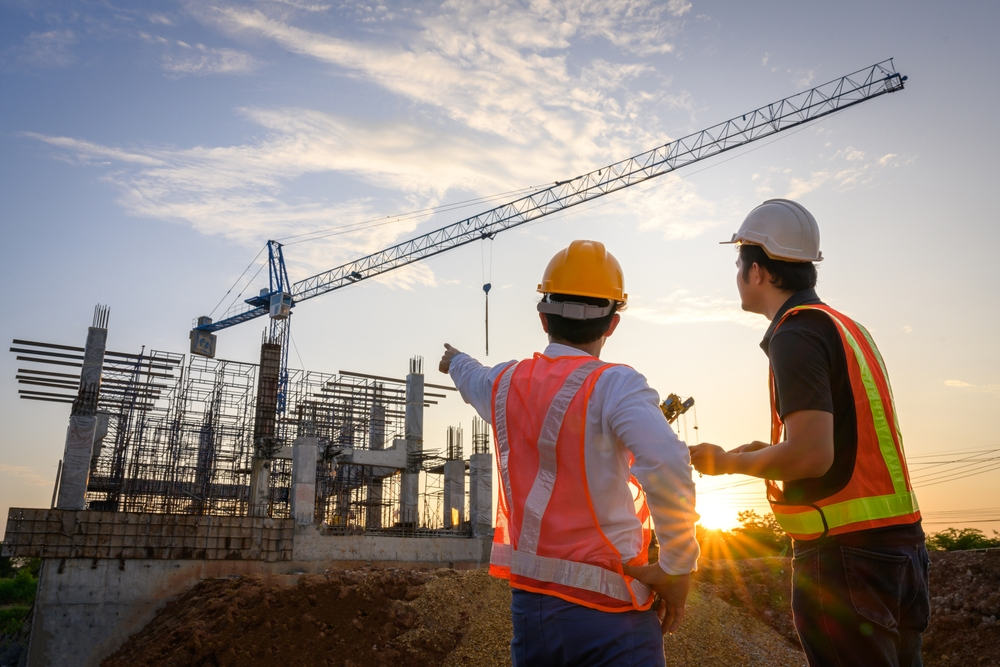
One of the most significant advancements in construction is the integration of technology into the design and building process. Building Information Modeling (BIM) has revolutionized how architects, engineers, and contractors collaborate on projects. BIM allows for the creation of a digital model of a building before construction begins, enabling more accurate planning, reducing errors, and improving efficiency. This digital model also facilitates better communication among stakeholders, making it easier to address issues before they arise on-site. In addition, the use of drones and robotics has allowed for more precise surveying, monitoring, and even construction tasks, reducing human error and improving safety on construction sites.
Sustainability has become a central focus in construction, with green building practices gaining traction across the industry. The environmental impact of construction has long been a concern, and as the world faces climate change and resource scarcity, there is a growing need for buildings that are energy-efficient and environmentally friendly. Modern construction techniques prioritize the use of renewable materials, energy-efficient designs, and low-impact construction processes. Innovations like solar panels, rainwater harvesting systems, and green roofs have made their way into both residential and commercial buildings. These eco-friendly solutions not only help reduce the carbon footprint of buildings but also provide long-term financial benefits through energy savings and reduced operational costs.
The rise of modular and prefabricated construction has also brought about a shift in how buildings are constructed. Rather than constructing everything on-site, components are pre-built in factories and then assembled at the construction site. This method is faster, more cost-effective, and often more precise than traditional construction methods. It also allows for greater quality control, as the components are produced in controlled environments. Modular construction has gained popularity in the construction of homes, schools, and even healthcare facilities, as it offers a quicker turnaround time and the ability to scale production to meet demand. The flexibility and efficiency of modular construction make it an attractive option for addressing the housing shortages and growing demand for infrastructure in urban areas.
As the construction industry embraces new technologies and methods, it also faces challenges related to labor and skills. While automation and digital tools are transforming the industry, they also require workers to develop new skills to keep up with these advancements. There is a growing need for skilled workers in fields such as BIM modeling, robotics, and sustainable construction practices. As the demand for more complex and innovative buildings grows, so does the need for a workforce that is trained in these new technologies. Moreover, construction companies must focus on creating safer work environments, as the industry remains one of the most dangerous in terms of workplace injuries. Investing in worker training and safety protocols is essential to ensure that the benefits of technological advancements are fully realized without compromising the well-being of workers.
In conclusion, the construction industry is experiencing a transformative period driven by technological advancements, sustainability, and changing societal needs. The integration of digital tools, the emphasis on green building practices, and the rise of modular construction are reshaping how buildings are designed, constructed,