
Intro: The Moment Your Lobby Got Smarter
Picture this: guests step into your office, phones out, vibes on point, and the front desk hums like a calm beat. The digital name plate sits there, crisp and quiet, doing more than anyone notices. Last quarter, facility teams reported up to 38% time saved when they ditched paper swaps for connected tags (no joke, that’s real ops juice). But here’s the kicker—why do so many setups still feel clunky when the screens are so clean? Are we missing how the system under the glass really works—or doesn’t—day to day? Let’s roll through the cracks and see what truly moves the needle, then push it forward.
Under the Hood: Why Old Nameplate Workflows Still Drag
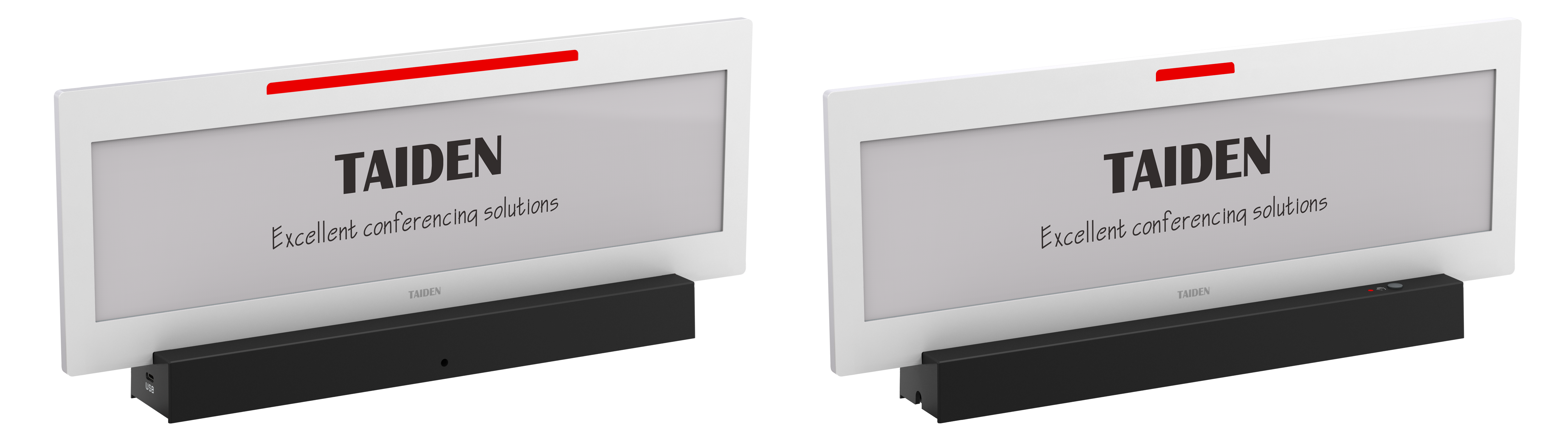
The e-paper display looks slick, but the magic is in the plumbing. Traditional labels relied on manual swaps, LCD panels with heavy power draw, or RFID cards that couldn’t update live. That means bad UX and backend grind. In many buildings, updates still pass through clumsy middleware, slow device provisioning, and a clotted duty cycle. Translation: staff wait, guests wait, and the brand feels stuck. Modern panels pair a low-power SoC with power converters tuned for long life, and they sync over mesh networking to edge computing nodes. Look, it’s simpler than you think—when updates are batched, pushed via QoS-managed packets, and rendered only on change, you cut noise and burn less energy. But if your stack can’t handle OTA firmware or predictable refresh intervals, your team is babysitting screens instead of running the floor.
Where do old workflows break?
Legacy LCDs need constant power; paper tags need humans; simple RFID lacks context. Meanwhile, lobby traffic wants live changes: roles, pronouns, room routing. Without smart gateways or PoE backup, a single router hiccup can stall a whole bank of plates—funny how that works, right? Add BLE beacons for presence and NFC for quick edits, and the system starts to breathe. The weak link isn’t the panel; it’s the update loop, the network handoff, and how your CMS schedules refresh. Tame those, and you get real-time clarity with battery life measured in months, not days.
From Principles to Payoffs: The Next Wave of Smart Plates
What’s Next
Here’s the shift: instead of brute-force updates, new setups lean on event-driven logic. Panels wake on intent, not on a timer. Gateways act like traffic cops, prioritizing critical changes and bundling everything else. That’s why future-ready electronic nameplates will feel faster even if they ping less. Think MQTT streams for lightweight messaging, OTA firmware that lands during off-hours, and graceful fallbacks when Wi‑Fi dips. You compare this to old-school polling, and the difference is night and day—lower packet chatter, tighter latency windows, and batteries that stretch. Edge inference can even pre-cache likely updates for VIP arrivals. Yes, the nameplate becomes part of an ambient system, not a solo device.

So what did we learn without repeating the chorus? The panel is fine; the pipeline is the plot. Cut manual touches, stabilize the mesh, and align refresh to use cases. Then measure what matters—wild, but true. To choose well, use three quick checks: 1) Update reliability under load, including packet loss recovery and version rollback; 2) Power budget per cycle, from draw at refresh to sleep current across a full duty cycle; 3) Fleet orchestration, like bulk provisioning, role-based CMS control, and audit trails. Nail those and you’ll see fewer desk calls, smoother guest flow, and brand cues that always hit clean. For deeper specs and ecosystem fit, keep an eye on partners like TAIDEN.