
Why Builders and Event Teams Keep Looking Up
You step onto the roof at dawn, mist still clinging to the ridge lines, and the crew waits for a green light. The sky laser will be the last system to power on, because the skyline has its own rhythm, its own rules. In big cities here, permits rise by double digits each year, and eight out of ten launches face at least one late change. So, how do teams keep lines straight, safe, and on time when the wind, the schedule, and the budget all push back? (It’s a real hustle, nha.) The puzzle is not only about brightness or hype. It’s about predictability, repeatable control, and how light behaves across distance. And when the main game is alignment over complex surfaces, even a small drift can blow the plan. Now look at the data: beam divergence, local fog density, and power stability drive your real risk, not just watt ratings. That is the part many overlook — funny how that works, right? You want a method that ties design to physics, and physics to the field, without drama. Let’s open the box and see where the old way cracks, and where the new way holds steady.
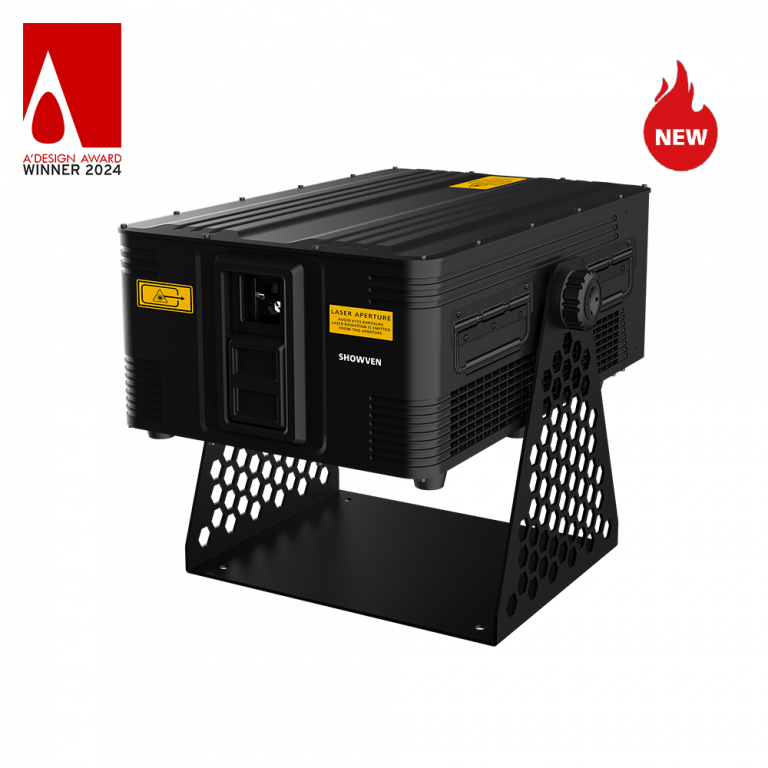
Under the Surface: Problems the “Laser for Building” Must Actually Solve
Why do legacy methods fall short?
When teams spec a laser for building, they tend to compare power and color first. Look, it’s simpler than you think: the failure points live elsewhere. Traditional layout uses chalk lines, manual theodolites, and taped offsets from 2D prints. That works until façades curve, decks flex, or scaffolds shift. Old rigs often rely on hand-tuned optics with loose thermal control, so beam divergence grows as housings heat up. Scanning galvanometers drift as bearings age, and power converters run warm at peak loads. Add rain or dust, and an enclosure with a weak IP rating lets in trouble. The result is slow setup, extra lifts, and messy re-aiming every time the wind changes. In plain words, the “old way” spends people to fix physics.
There’s also a hidden pain for compliance. Safety interlocks get bypassed to meet a rehearsal window. Logs go missing. Operators try to map beams using guesswork instead of calibrated sensors. Without near-field alignment and a simple way to lock in scan angles, your safety margins shrink fast. Edge computing nodes inside newer fixtures can estimate beam paths in real time, but older systems lack that brain. So crews push time into checks and re-checks, and the schedule slips. Meanwhile, media servers and lighting consoles speak DMX and Art-Net, yet the control path to the laser is still a small, fragile bridge. One bump, one noisy line, and the show stutters.
Looking Forward: How Sky Lasers Learn to Hold Their Line
What’s Next
Modern sky systems attack the root cause with new technology principles. First, closed-loop control with onboard sensors keeps the beam where the model says it should be. Temperature probes feed the controller; the controller corrects the scanning galvanometers; the optics hold alignment. Next, smarter optics use beam shaping to balance brightness against divergence, so your line is crisp at 20 meters and still visible at 800. Local edge computing nodes run small models that fuse IMU and GPS for auto-referencing to site coordinates. That means the rig “knows” the building and the angle of attack. Pair that with sealed IP65 housings and active thermal paths, and your stability window widens. When a project calls for dramatic verticals, a tuned array behaves like one instrument, not a bag of parts. You get fewer lifts, fewer radio calls, more time on creative.
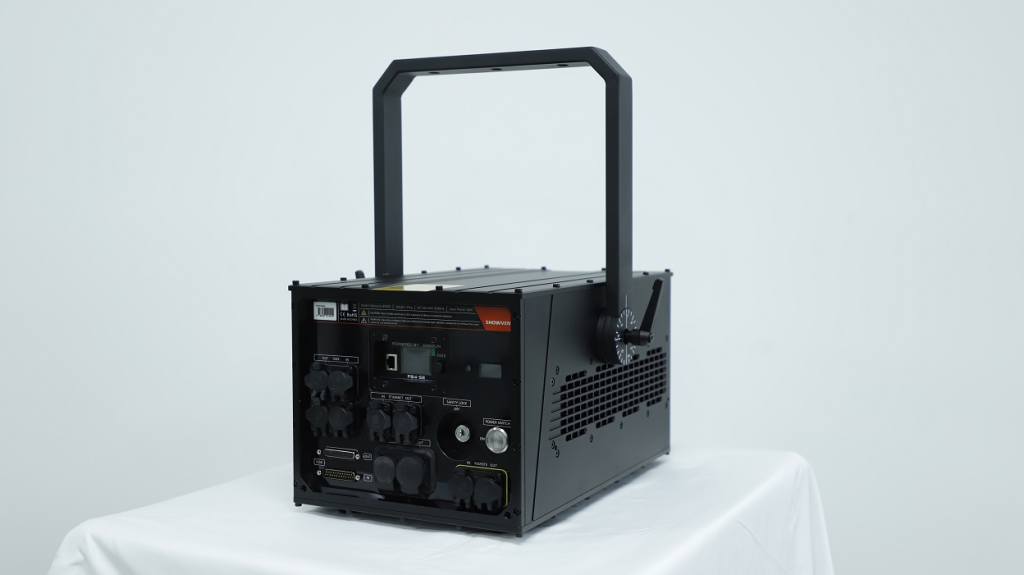
In comparative terms, the jump from legacy rigs to a calibrated system is not only brighter. It is more predictable. Think BIM-linked presets, lidar scans for façade features, and safety masks that update in real time. Your console calls a cue; the fixture checks it, proves it safe, then fires. If the brief is to cast a clean guide line up a tower while painting the clouds with a sky laser light, the controller keeps power stability and scan speed in sync — even when the wind picks up. The difference shows in fewer misfires and smoother nights — the kind clients remember. And yes, it also shows in lower wear on mounts and heads over a season.
Choosing Well: What Matters When You Compare
Let’s stitch the insights. The old path spilled time into manual tweaks and safety guesswork. The newer path treats control, optics, and environment as one stack. So, when you choose, use three simple metrics. One, optical stability: measure beam divergence across the full duty cycle, and track output ripple from the power converters. Two, control integrity: check for closed-loop scanning, native support for DMX/Art-Net, and logged interlocks you can audit. Three, environmental resilience: an honest IP rating, real thermal management, and MTBF that matches your season. Small note—too many specs hide the truth in fine print, so ask for live runs, not just a PDF. If the system keeps alignment after a hot start, holds power under rain, and writes clean logs, your team will feel it on site. That’s how you turn moving parts into a calm show day, you see. For more context on systems built with this mindset, see Showven Laser.