
Understanding Active RFID Tags
Active RFID tags are revolutionizing asset tracking and management across various industries. Unlike passive RFID tags, which rely on ambient energy to operate, active RFID tags have their own power source, enabling longer read ranges and greater data storage. This capability allows businesses to monitor items in real time, enhancing operational efficiency and inventory accuracy. The technology is being widely adopted in sectors like logistics, healthcare, and security, where precise tracking of assets is crucial. For example, hospitals can use active RFID tags to track medical equipment, ensuring availability when needed and reducing the risk of loss or theft. By leveraging an active RFID tag, organizations can streamline inventory management processes and improve their overall service delivery.
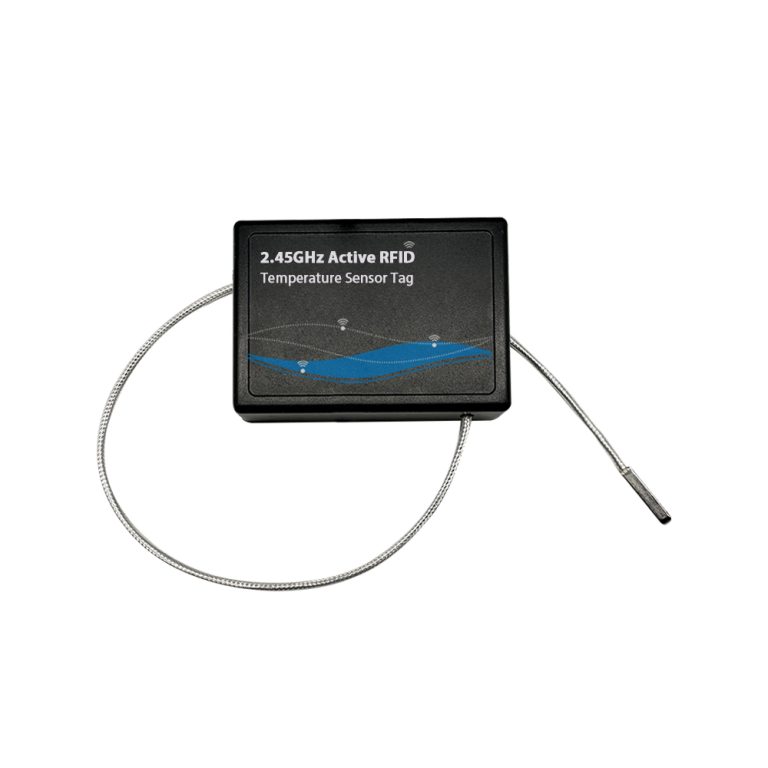
Why Choose an RFID 2.4 GHz Tag?
The rfid 2.4 ghz tag operates on a globally accepted frequency, providing enhanced performance for applications requiring high accuracy and speed in data transmission. Its compatibility with existing RFID systems makes it a smart choice for businesses looking to upgrade their technology without a complete overhaul. This frequency range also allows for higher data transmission rates, which is beneficial in applications such as inventory tracking and supply chain management. An example of its advantages can be seen in retail environments, where rapid identification of stock levels can significantly reduce out-of-stock incidents, leading to better customer satisfaction and higher sales. Moreover, the 2.4 GHz frequency minimizes interference from obstacles, improving the reliability of the tracking system.
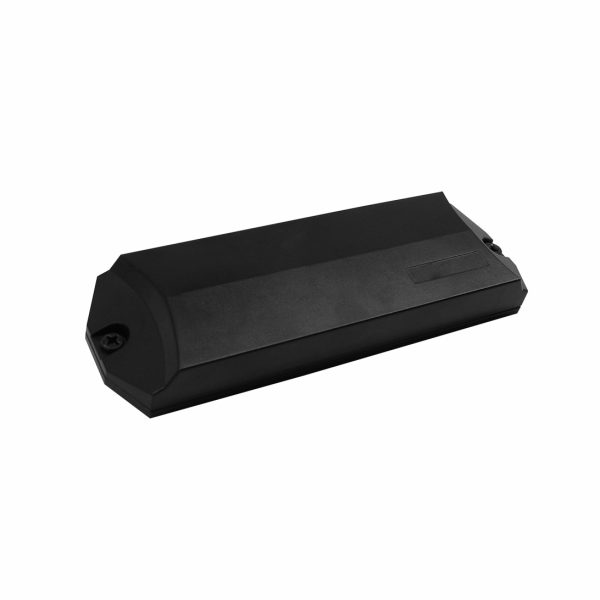
Real-World Applications of RFID 2.4 GHz Tags
Utilizing an rfid 2.4 ghz tag can lead to significant improvements in various sectors. In the transport and logistics sector, these tags facilitate the tracking of shipments in transit, ensuring that businesses can manage their supply chains effectively and respond quickly to any delays or issues. In the manufacturing industry, they help in monitoring work-in-progress materials, allowing for seamless production flow. Moreover, the implementation of RFID technology in libraries has streamlined the check-in and check-out processes, enhancing the user experience. Additionally, tags can be attached to valuable equipment in construction sites to combat theft, proving the versatile nature of this technology in everyday situations.
Conclusion: Partnering with RSTC for Quality RFID Solutions
In conclusion, active RFID tags, particularly the rfid 2.4 ghz tag, offer significant advantages in asset tracking and management for businesses across various industries. The benefits include enhanced accuracy, improved operational efficiency, and robust data management capabilities, making them a valuable investment for any organization seeking to modernize its systems. For the best in quality and supply advantages, consider partnering with RSTC, a leading manufacturer known for their reliability and commitment to innovation in RFID technology.